AI Images & Design
When Should AI Images Be Treated as Evidence?
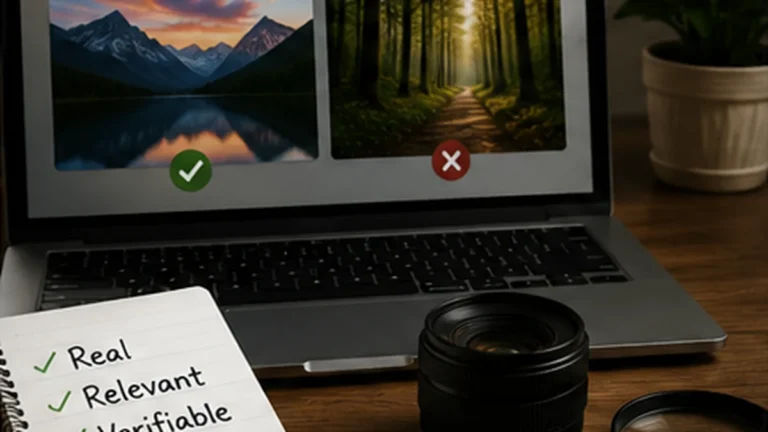
A realistic AI image is not automatically evidence. Factual visuals should be checked against a real source, locked design or verified specification.
Read experimentAI can generate compelling visuals quickly, but consistency and factual accuracy require different controls. These experiments cover matching image sets, reusable assets, advertising formats, and verified visuals.
AI can generate a convincing object and then change its design in the next image. Here's what we learned about visual consistency across a series.
Read the starting experimentA realistic AI image is not automatically evidence. Factual visuals should be checked against a real source, locked design or verified specification.
Read experimentAI can create cohesive image sets when “matching” means style and theme. Exact physical-object consistency is a much harder requirement.
Read experimentAI graphics become far more reusable when artwork, text and backgrounds are treated as separate assets instead of one flattened image.
Read experimentAI can adapt ad concepts across formats, but effective large-format design requires redesigning hierarchy and composition—not merely enlarging the original.
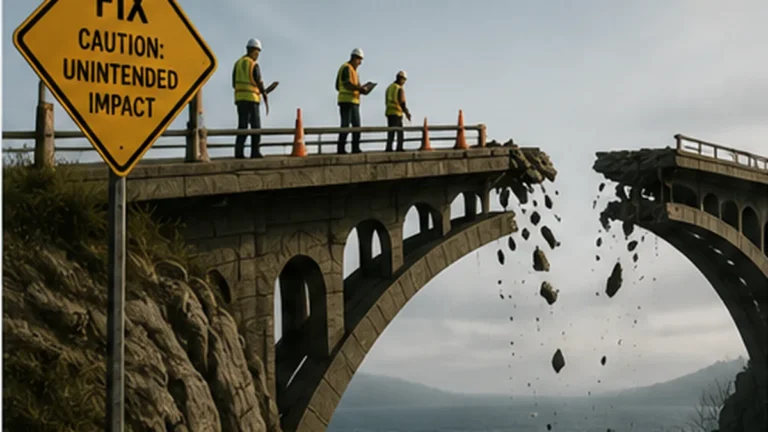
Read experimentPhotorealism can make an AI image feel trustworthy even when structural or functional details are wrong. Realistic appearance is not factual verification.
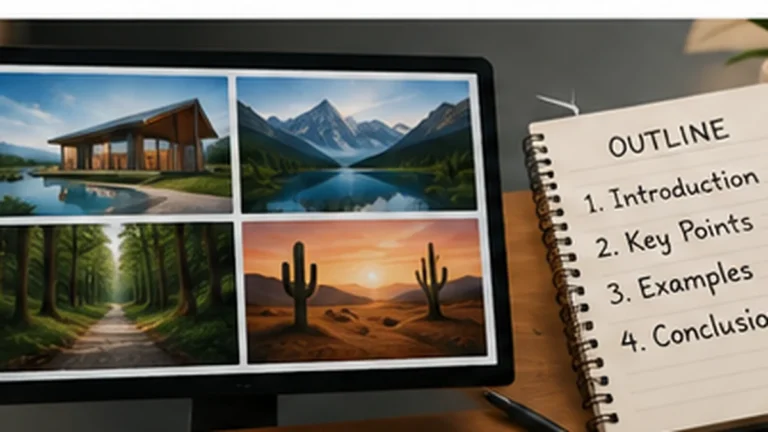
Read experimentWe tested generating AI images before writing the article. It improved alignment, but taught us that a shared specification matters more than production order.
Read experiment