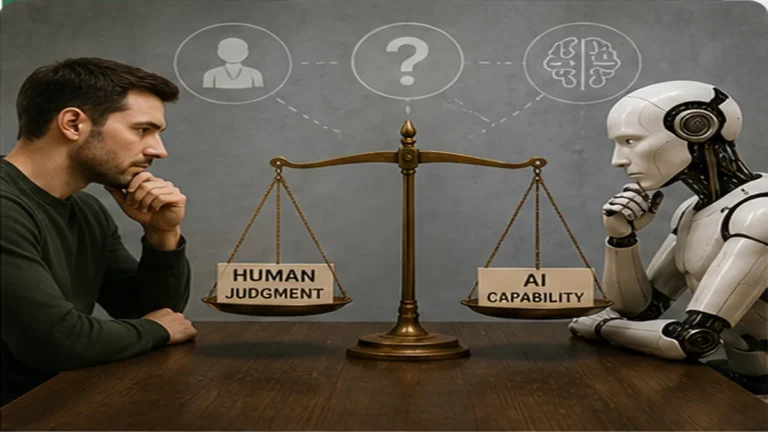
Should AI Do the Task or Should a Human? A Practical Decision Framework
Use consequence, testability, context, reversibility and judgment to decide whether AI should do a task, assist a human, or stay out of the critical decision.
Read experimentBrowse the full Worthy Trying collection. Every article comes from a practical question, project result, failure, or lesson we believed deserved its own reader job.
Use consequence, testability, context, reversibility and judgment to decide whether AI should do a task, assist a human, or stay out of the critical decision.
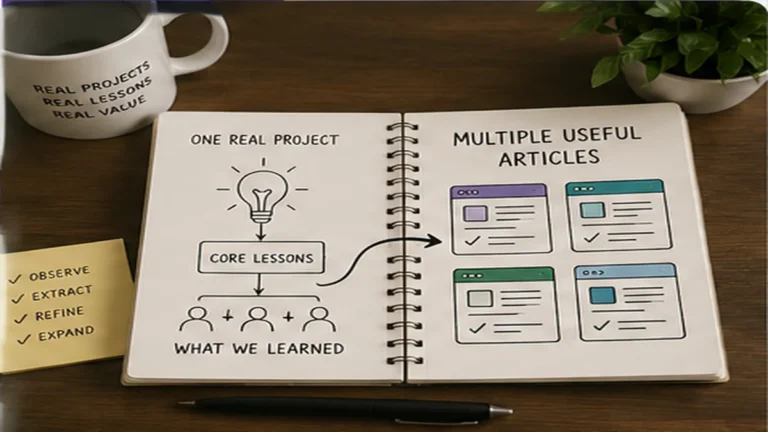
Read experimentOur best article ideas came from real projects. The trick is extracting distinct lessons, not splitting one story into keyword variations.
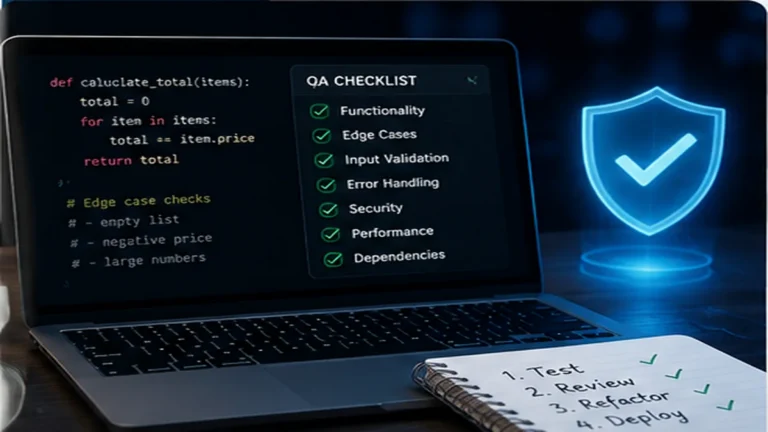
Read experimentAI-generated code should pass functional, regression, security and dependency checks before production. A working demo is only the first gate.
Read experimentA realistic AI image is not automatically evidence. Factual visuals should be checked against a real source, locked design or verified specification.
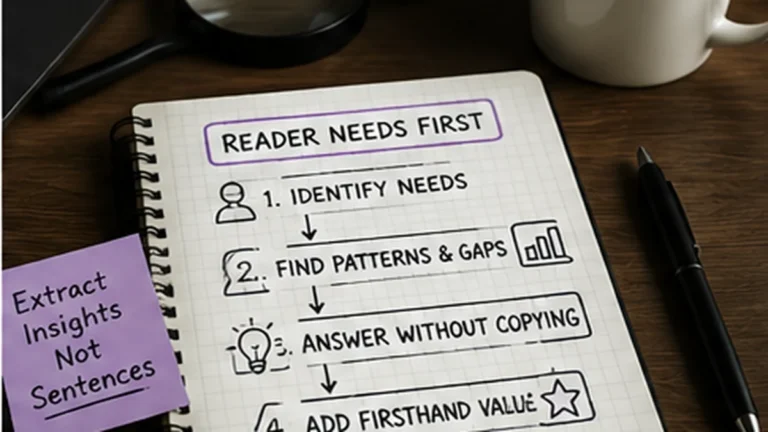
Read experimentCompetitor research should reveal reader needs, not become a template to copy. Use AI to extract patterns, gaps and questions, then add firsthand value.
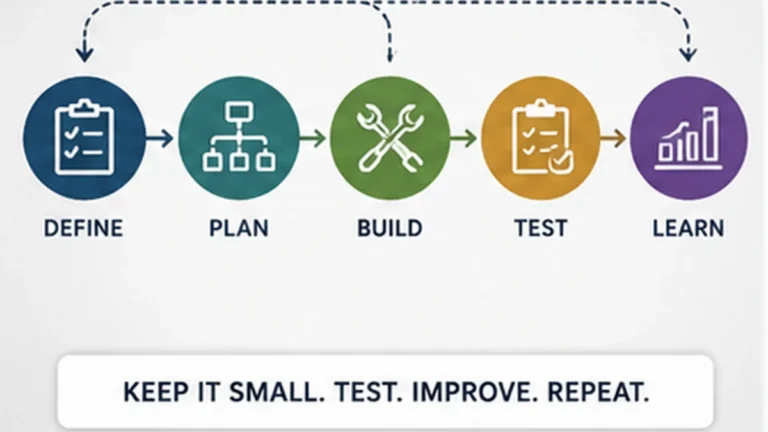
Read experimentStart with the smallest workflow that produces a good result. Add permanent complexity only when a recurring failure proves it is needed.
Read experimentLong AI projects accumulate obsolete rules and experiments. Keep a small current source of truth and separate history from active requirements.
Read experimentAI becomes more dependable when the result can collide with reality: run the code, measure the object, open the page or check the source.
Read experimentAI tasks become easier when context is visible, success is clear and results are testable. Hidden dependencies and exact constraints make them harder.
Read experimentSome AI output can be used with light review. The key is reversibility, consequence, factual dependence and whether you can notice a bad result.
Read experimentYou do not need to verify every AI sentence equally. Use consequence, uncertainty and external tests to focus checking where it matters.
Read experimentOur AI failures kept repeating the same patterns: confident errors, drift, hidden dependencies, inconsistency and unnecessary complexity.
Read experimentAfter using AI for writing, coding, images, research and long projects, these are the jobs where it consistently helped us most.
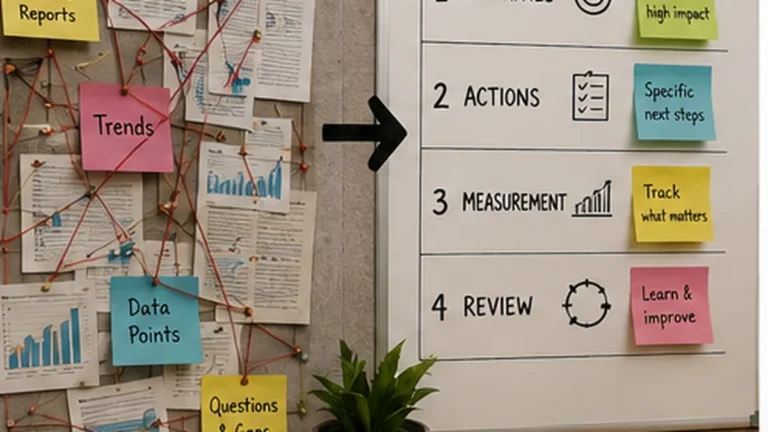
Read experimentAI can turn scattered research into priorities and tests. The strongest plans keep evidence, uncertainty and measurement attached to each recommendation.
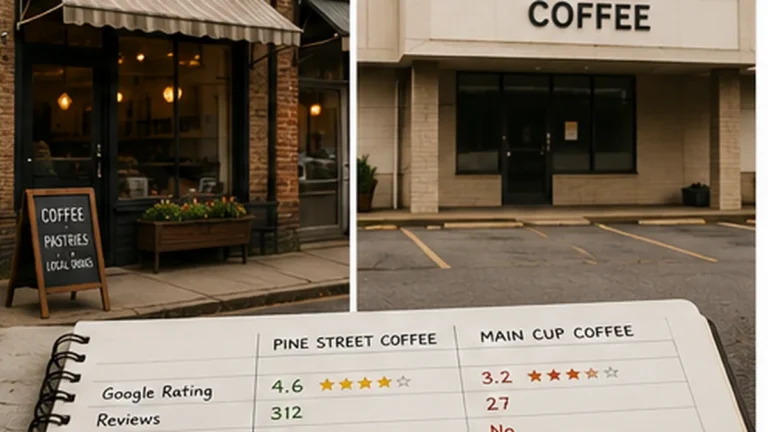
Read experimentWe used AI to compare local businesses using current public evidence. Its strongest skill was turning scattered observations into testable marketing hypotheses.
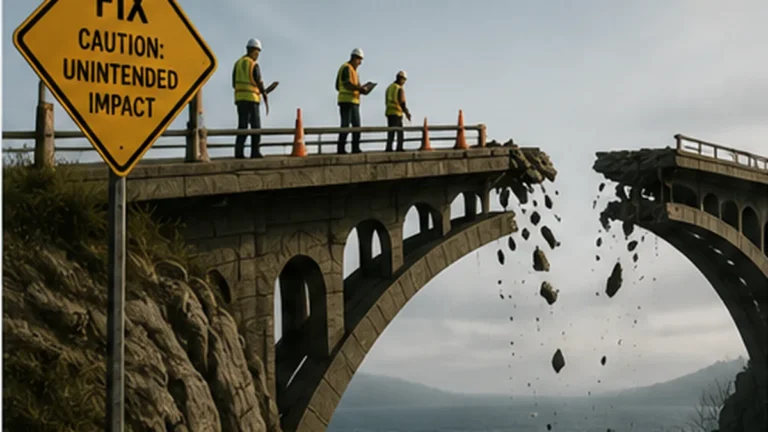
Read experimentAI can solve a local code problem while damaging shared behavior elsewhere. Here's why regression testing became part of our AI coding workflow.
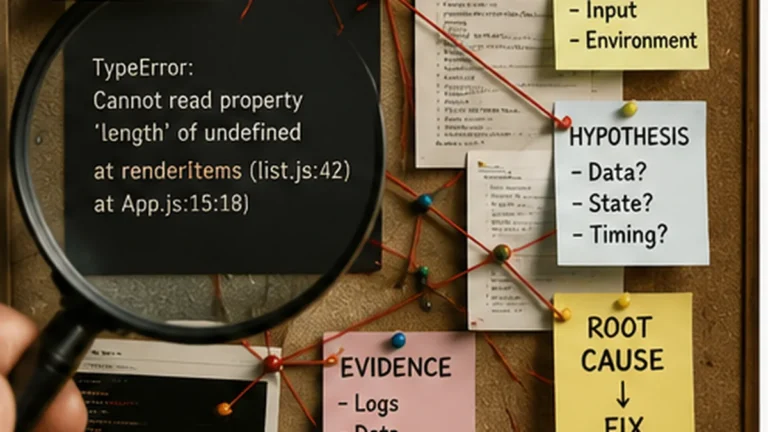
Read experimentExact error messages give AI concrete debugging evidence. We found they work far better than simply saying the code doesn't work.
Read experimentNew code gives AI freedom. Existing code requires preserving relationships it may not see. Here's why modification can be deceptively harder.
Read experiment