AI Coding
Can AI Write Working Code?
AI can write working code, but reliability depends heavily on scope, context and testing. Here's what we learned using it on real projects.
Read experimentBrowse the full Worthy Trying collection. Every article comes from a practical question, project result, failure, or lesson we believed deserved its own reader job.
AI can write working code, but reliability depends heavily on scope, context and testing. Here's what we learned using it on real projects.
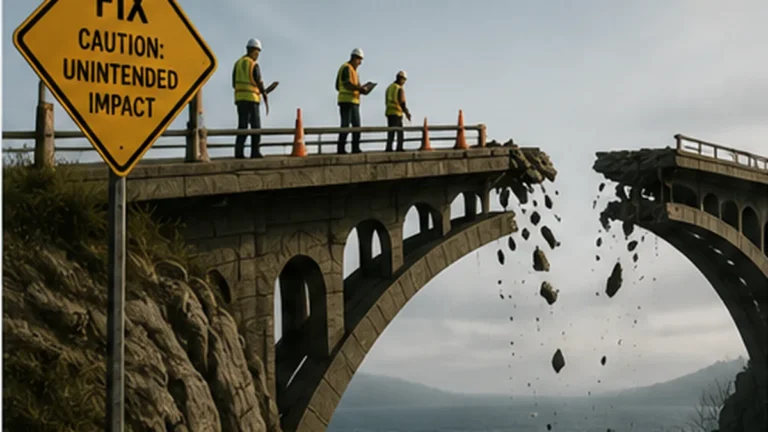
Read experimentPhotorealism can make an AI image feel trustworthy even when structural or functional details are wrong. Realistic appearance is not factual verification.
Read experimentAI can adapt ad concepts across formats, but effective large-format design requires redesigning hierarchy and composition—not merely enlarging the original.
Read experimentAI graphics become far more reusable when artwork, text and backgrounds are treated as separate assets instead of one flattened image.
Read experimentAI can create cohesive image sets when “matching” means style and theme. Exact physical-object consistency is a much harder requirement.
Read experimentA short page can be complete when the question is narrow. Thin content is better judged by insufficient value than by a low word count.
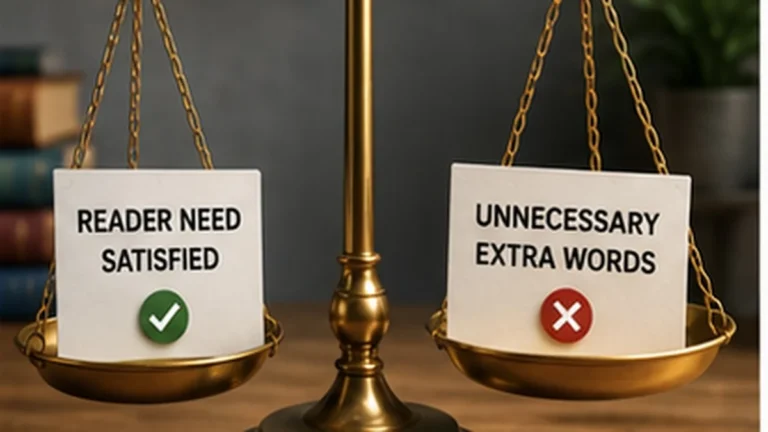
Read experimentAI can help decide when an article is finished by finding unanswered in-scope reader needs. Completion should follow usefulness, not a target word count.
Read experimentAI can draft and edit the same article, but useful editing requires a different evaluation task—not merely telling the model to switch roles.
Read experimentAI makes publishing cheap, but raw article volume is not a strategy. Every additional page still needs distinct reader value and a reason to exist.
Read experimentAI can discover semantic relationships between pages at scale. The strongest internal links follow reader journeys rather than keyword coincidence.
Read experimentAI can spot omissions across competing pages, but a real content gap must improve the reader’s answer—not merely be different.
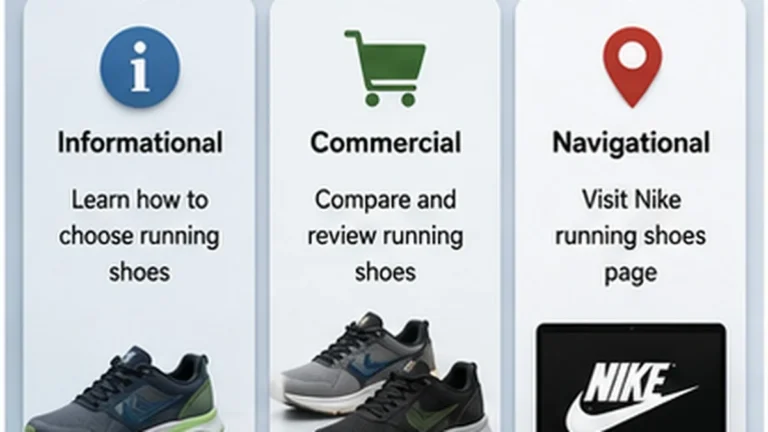
Read experimentAI can analyze search intent extremely well when grounded in current search evidence. Here's why we don't ask it to imagine the search landscape.
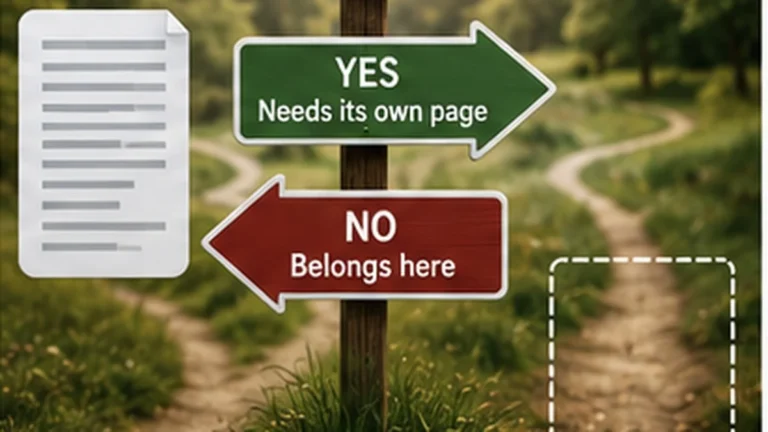
Read experimentAI can generate endless article ideas. We use a stricter test to decide whether a topic actually deserves a separate page.
Read experimentAsking AI to make an article longer can produce more words without more value. Here's how we learned to expand missing information instead.
Read experimentCan AI determine the right article length? We found a better question: what does the reader still genuinely need?
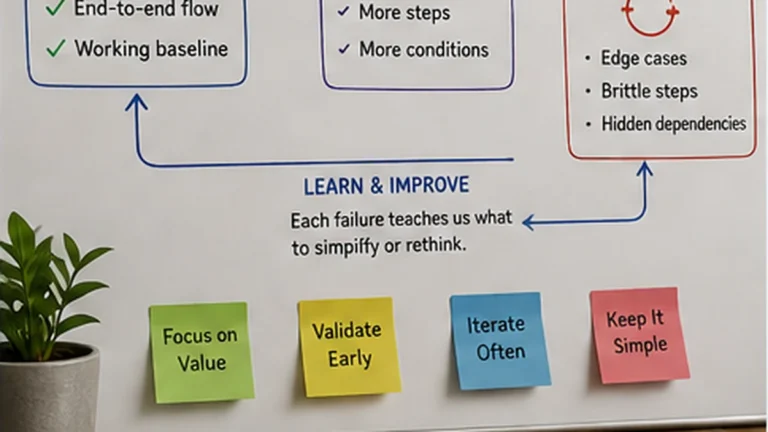
Read experimentAfter building complicated AI workflows, our biggest lesson is simple: start with one useful result and let recurring failures earn additional complexity.
Read experimentA concise source of truth helps AI distinguish current project decisions from old drafts, experiments and abandoned rules.
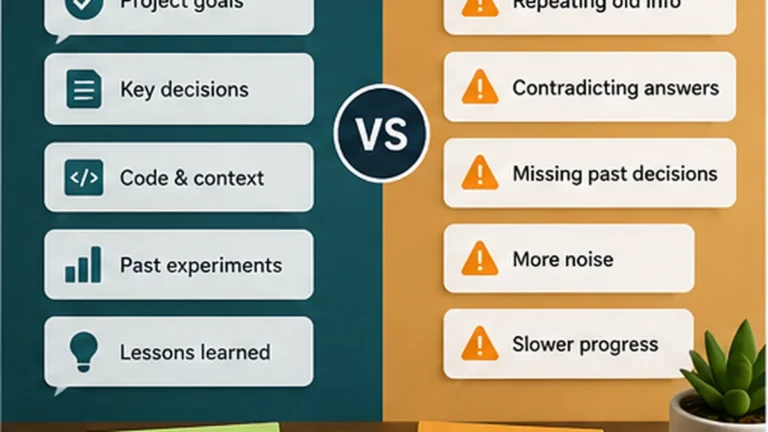
Read experimentLong AI chats preserve useful context but can also accumulate obsolete decisions and noise. Here's when we keep the conversation and when we start fresh.
Read experiment